Liquid-Cooled Charging Cables
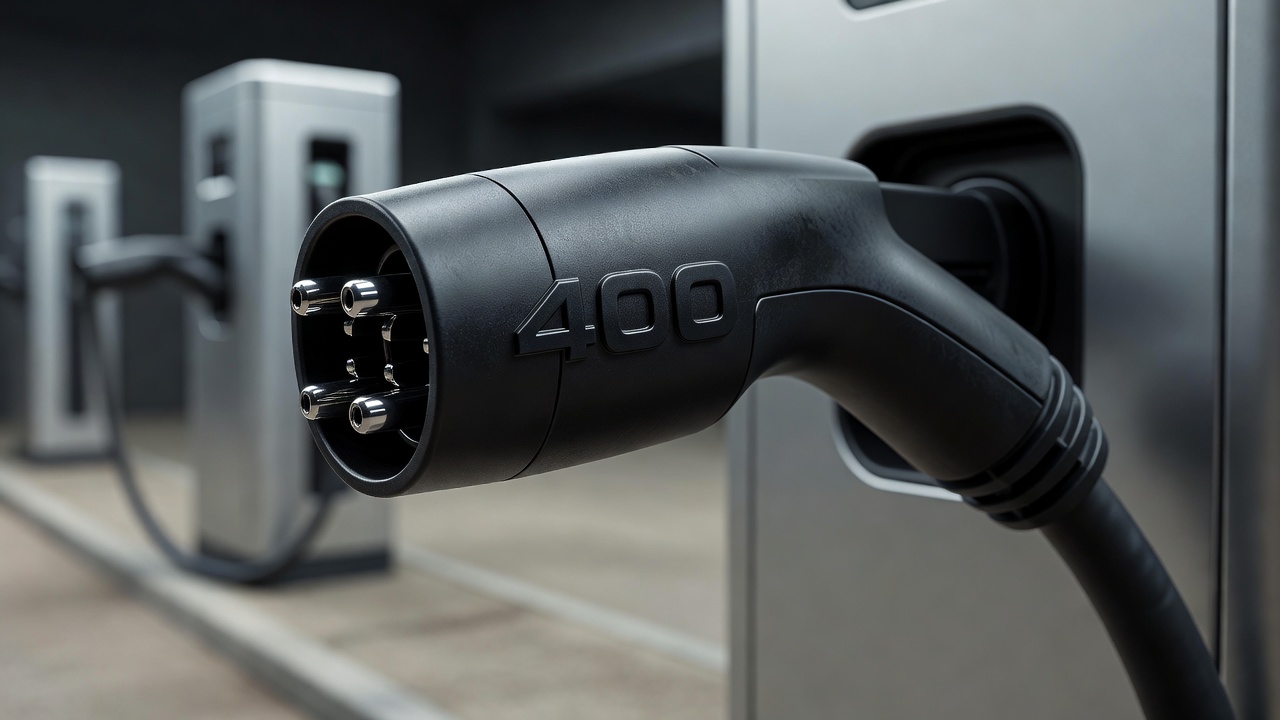
The Thermal Barrier of Ultra-Fast Charging
As electric vehicle (EV) charging networks evolved from delivering 50kW to 150kW, and eventually up to 350kW, engineers hit a physical barrier: heat. Electrical resistance within the copper conductors of a charging cable generates heat directly proportional to the square of the current passing through it. Delivering 500 amperes of current through a standard, passively cooled copper cable would require the cable to be so thick and heavy that an average user would find it nearly impossible to lift, bend, or connect to their vehicle.
To deliver ultra-fast charging speeds while maintaining a manageable, consumer-friendly cable form factor, the industry turned to active thermal management. Liquid-cooled charging cables are the critical innovation that allows continuous 350kW power delivery without compromising user ergonomics or safety.
How Liquid Cooling Works in EV Cables
A liquid-cooled cable functions much like the radiator system in a combustion engine, but miniaturized and integrated directly into a flexible conduit. The architecture of these cables is an impressive feat of engineering:
- The Conductor Core: The central copper wires are kept deliberately thin to maintain flexibility and reduce weight.
- Coolant Channels: Integrated parallel to or surrounding the copper conductors are narrow tubes carrying a specialized coolant.
- Dielectric Fluid: The liquid used is not water. It is a highly specialized, non-conductive (dielectric) synthetic fluid. This ensures that even in the event of a catastrophic cable rupture, the fluid will not conduct the massive high-voltage electrical current, protecting the user from electric shock.
- The Radiator and Pump: Located within the main housing of the charging dispenser, a high-performance pump continuously circulates the dielectric fluid through the cable and connector handle, pulling heat away from the copper and rejecting it into the atmosphere via a heat exchanger inside the charging station.
Ergonomics and User Experience
The primary benefit of liquid cooling from a consumer perspective is weight reduction. A 500-ampere passively cooled cable would weigh several kilograms per meter and be as rigid as a solid pipe. By utilizing liquid cooling, the copper cross-section can be reduced by more than 50%. The resulting cable is highly flexible, relatively lightweight, and easy to maneuver, making ultra-fast charging accessible to all drivers regardless of physical strength.
Furthermore, the cooling system extends all the way into the connector plug (the "gun"). The electrical contact pins where the charger meets the vehicle's inlet are major hotspots due to contact resistance. The active cooling extracts heat from these pins, preventing the vehicle's internal thermal sensors from throttling the charging speed prematurely.
Maintenance and Reliability Considerations
While liquid cooling solves the thermal and ergonomic challenges, it introduces complexity. A charging dispenser equipped with liquid-cooled cables has moving parts—pumps, fans, and fluid reservoirs—that require scheduled maintenance.
Network operators must monitor fluid levels and pump health continuously. If the cooling system fails, modern ultra-fast chargers are programmed to instantly derate (reduce) their power output, often dropping from 350kW down to a safe, passively cooled limit of roughly 50kW to 100kW to prevent the cable from melting. This safety mechanism is crucial, though it can result in a frustrating experience for a driver expecting a 15-minute charge.
Looking Forward
As the industry pushes toward Megawatt Charging Systems (MCS) for commercial trucks, delivering 1,000 to 3,000 amperes, liquid cooling technology is being pushed to its limits. Next-generation systems are exploring phase-change cooling, advanced nanoliquids, and even refrigerants piped directly into the charging connector to handle extreme thermal loads. For now, dielectric liquid-cooled cables remain the absolute standard for consumer ultra-fast EV charging hubs worldwide.